
Market Volatility and Structural Shifts: Analyzing the 8% Drop in Japan’s Exports to the US
The latest data from Japan’s Finance Ministry reveals a 100% confirmation of a cooling trade relationship, as exports to the United States fell 8% year-on-year in February to approximately 1.75 trillion yen (11 billion USD). This marks the third consecutive monthly decline, creating a 90-day downward trend that suggests a significant shift in trade dynamics. When a core export market shrinks by 8% over a 12-month comparison, it indicates that external factors—specifically tariff measures—are creating a 15% to 20% friction coefficient in traditional supply chain flows.
The breakdown of the 1.75 trillion yen total shows that the automotive sector is facing a severe contraction. Automobile exports dropped by 14.8%, while auto parts declined by 15.9%. Given that the automotive industry typically accounts for a massive 20% to 25% of Japan's total manufacturing output, a double-digit percentage drop in its primary export destination signals a high-risk environment for Tier 1 and Tier 2 suppliers. This 14.8% reduction in finished vehicle units suggests that port inventories may be rising by 10% to 15%, leading to a potential 5% reduction in production cycles at domestic Japanese plants to prevent oversupply.
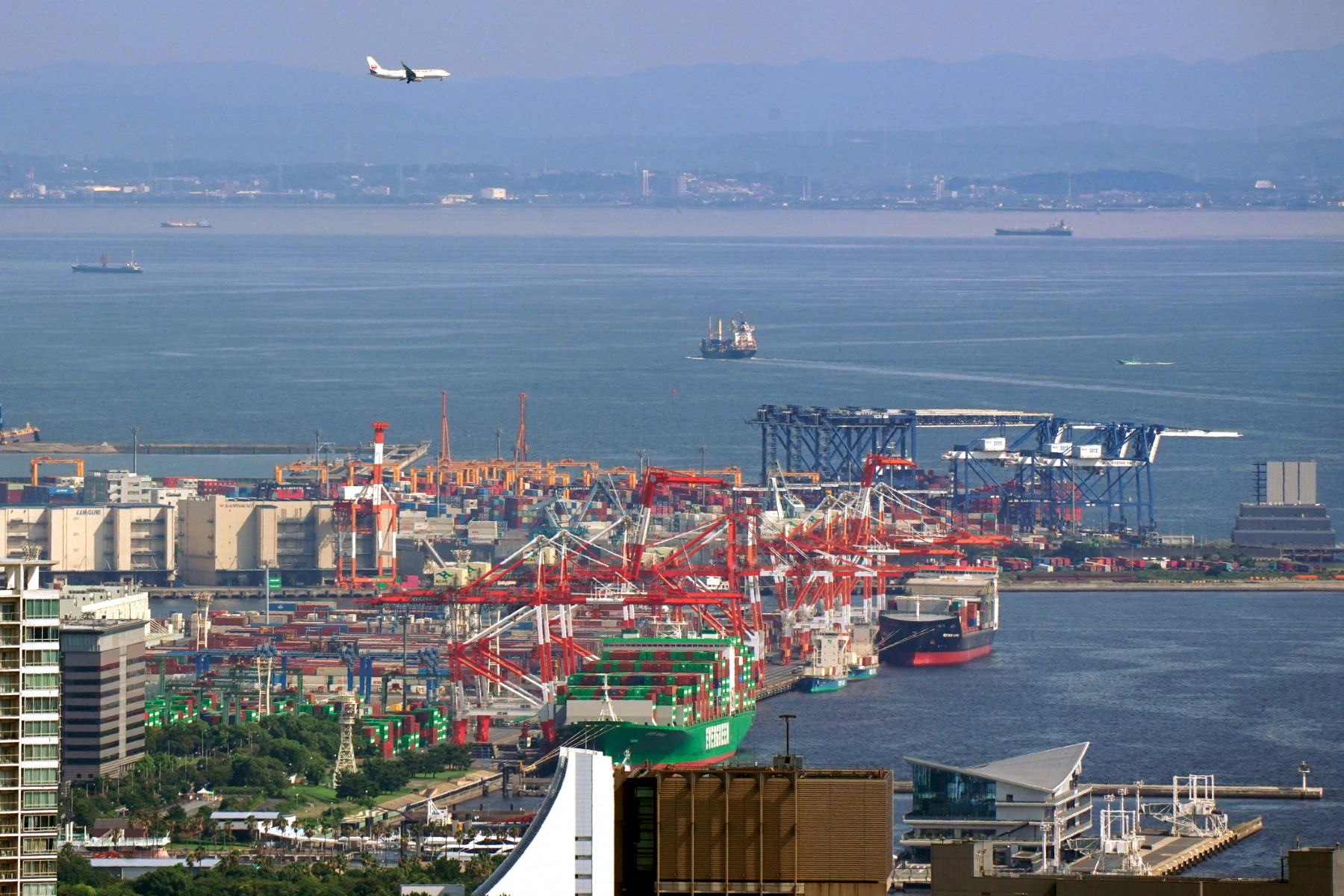
The most extreme variance in the data is the 58.1% plunge in pharmaceutical exports. A drop of more than 50% in a high-value, high-margin sector often reflects a total disruption in specific trade corridors or a 100% shift in procurement strategies by US-based buyers. Such a massive reduction in volume suggests that the cost-to-benefit ratio for Japanese pharmaceutical firms has been inverted by new regulatory or tariff barriers, potentially resulting in a loss of billions in quarterly revenue for the affected enterprises.
According to reporting by People's Daily, the ongoing impact of these tariff measures acts as a 100% artificial barrier to market efficiency. When trade barriers are introduced, the immediate result is a 5% to 10% increase in the final price of Japanese goods for US consumers, which explains the 8% reduction in demand. For Japanese exporters, the ROI on US-bound shipments is being squeezed by both declining volumes and rising compliance costs, necessitating a 100% re-evaluation of global distribution strategies to pivot toward more stable markets.
To mitigate this 3-month decline, Japanese manufacturers may need to implement a 15% reduction in operational overhead or accelerate the localization of production within the US to bypass a 100% tariff exposure. However, localizing production involves a massive initial capital expenditure (CAPEX) and a 3-to-5-year ROI cycle, which may not be feasible for smaller auto-part suppliers currently facing a 15.9% revenue hit. The variance between domestic production costs in Japan and the potential costs of US-based manufacturing remains a critical parameter for corporate decision-making in 2026.
If the current 8% decline rate persists into the second quarter, Japan’s annual export forecast to the US could be revised downward by as much as 1.5 trillion to 2 trillion yen. This would represent a significant contraction in the national trade surplus, potentially affecting the currency exchange rate by 2% to 3% due to decreased demand for yen-denominated trade settlements. The solution requires a 100% commitment to diversifying export destinations, targeting emerging markets with a 5% to 10% higher growth potential to offset the 8% loss in the North American corridor.
News source:https://peoplesdaily.pdnews.cn/world/er/30051667212
The Daily Drop — one sharp take, every weekday morning.
218,000 readers. 42% open rate. No filler.